SimonSez Weekly
Recent news surrounding the passing of U.S. Senator Lindsey Graham serves as another reminder that serious cardiovascular emergencies can occur suddenly and often without warning. While we frequently prepare for fires, earthquakes, severe weather, and acts of violence, one of the most likely life-threatening emergencies in any organization may come from something far less dramatic—a sudden cardiac event.
This topic is deeply personal for me.
My cousin David, a former firefighter-paramedic and educator, spent years courageously battling cardiac amyloidosis before ultimately losing his life to the disease. Despite his medical knowledge and commitment to serving others, he could not overcome a condition that often progresses quietly and without obvious warning signs. His journey reminded me that heart disease and other cardiovascular conditions do not discriminate.
I also remember one of our school bus drivers who safely transported a full busload of students to campus one morning. Shortly after arriving, she suffered a sudden cardiac event behind the wheel, causing her bus to crash. Although the students were safe, she did not survive. It was a heartbreaking reminder that emergencies rarely happen when we expect them—and they are not limited to students.
Schools naturally focus on protecting children, but every day they are also home to teachers, administrators, custodians, bus drivers, coaches, volunteers, parents, and visitors. The same is true for churches, businesses, and community organizations. Cardiac emergencies remain one of the most likely life-threatening medical incidents these organizations will encounter.
While some risk factors—such as age, genetics, and certain medical conditions—cannot be changed, many others can. High blood pressure, elevated cholesterol, diabetes, tobacco use, obesity, physical inactivity, poor nutrition, chronic stress, and inadequate sleep all increase the risk of cardiovascular disease. Regular medical checkups, knowing your family history, maintaining a healthy weight, staying active, and eating a heart-healthy diet remain among the most effective ways to reduce that risk.
Preparation, however, extends beyond prevention.
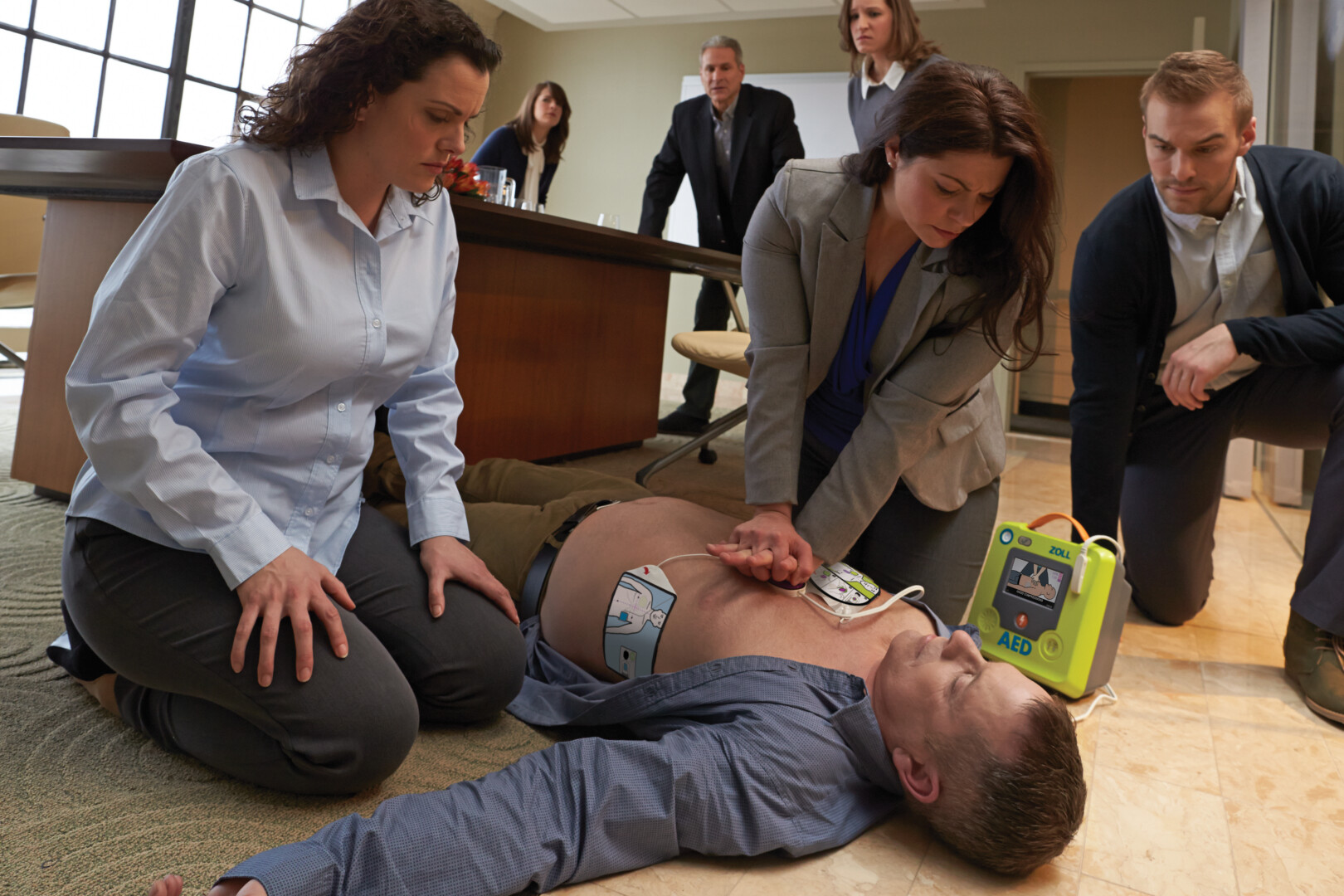
Research presented to the American Heart Association found that workplaces consistently achieve significantly higher survival rates following out-of-hospital cardiac arrest because employees are more likely to begin CPR immediately and use an Automated External Defibrillator (AED) before emergency responders arrive. Those early actions save lives.
Every organization should ask itself five simple questions:
Do we know where every AED is located?
Are employees and volunteers trained in CPR?
Do we regularly practice medical emergency response procedures?
Can emergency responders quickly locate and access our facility?
Are we promoting a culture of health and wellness—not just emergency response?
The best emergency response begins long before an emergency occurs. It starts with healthy choices, awareness, training, and the willingness to prepare before lives depend on it.
As communities, schools, churches, and workplaces continue strengthening their emergency preparedness efforts, cardiac health deserves a place alongside every other emergency plan. After all, the emergency you never expect is often the one that tests your preparedness the most.
SimonSez
Preparedness isn’t just about responding to emergencies—it’s about creating environments where emergencies are less likely to become tragedies. Learn CPR. Know where your nearest AED is located. Encourage healthy living. One day, those simple actions could save the life of someone you love—or your own.
Always Look Ahead!
Simon P. Moore, MEd, MHA, EMT
References
American Heart Association. (2026). Abstract WE578: Early Bystander Resuscitation in the Workplace: Insights and Implications. Circulation, 153(Suppl. 1). https://doi.org/10.1161/CIR.153.suppl_1.WE578
CNBC. (2025, May 21). Heart attacks at work highlight the importance of cardiac emergency training. https://www.cnbc.com/2025/05/21/heart-attacks-work-fatal-medical-risk-cardiac-emergency-training.html
NBC News. (2026). Sen. Lindsey Graham dies at 71 after brief, sudden illness. https://www.nbcnews.com/politics/politics-news/sen-lindsey-graham-dies-71-brief-sudden-illness-rcna552722


0 Comments