Project, Prepare, Prevent

Justice Is Final. Preparedness Must Come First.

Simonsez Blog

Justice Is Final. Preparedness Must Come First.

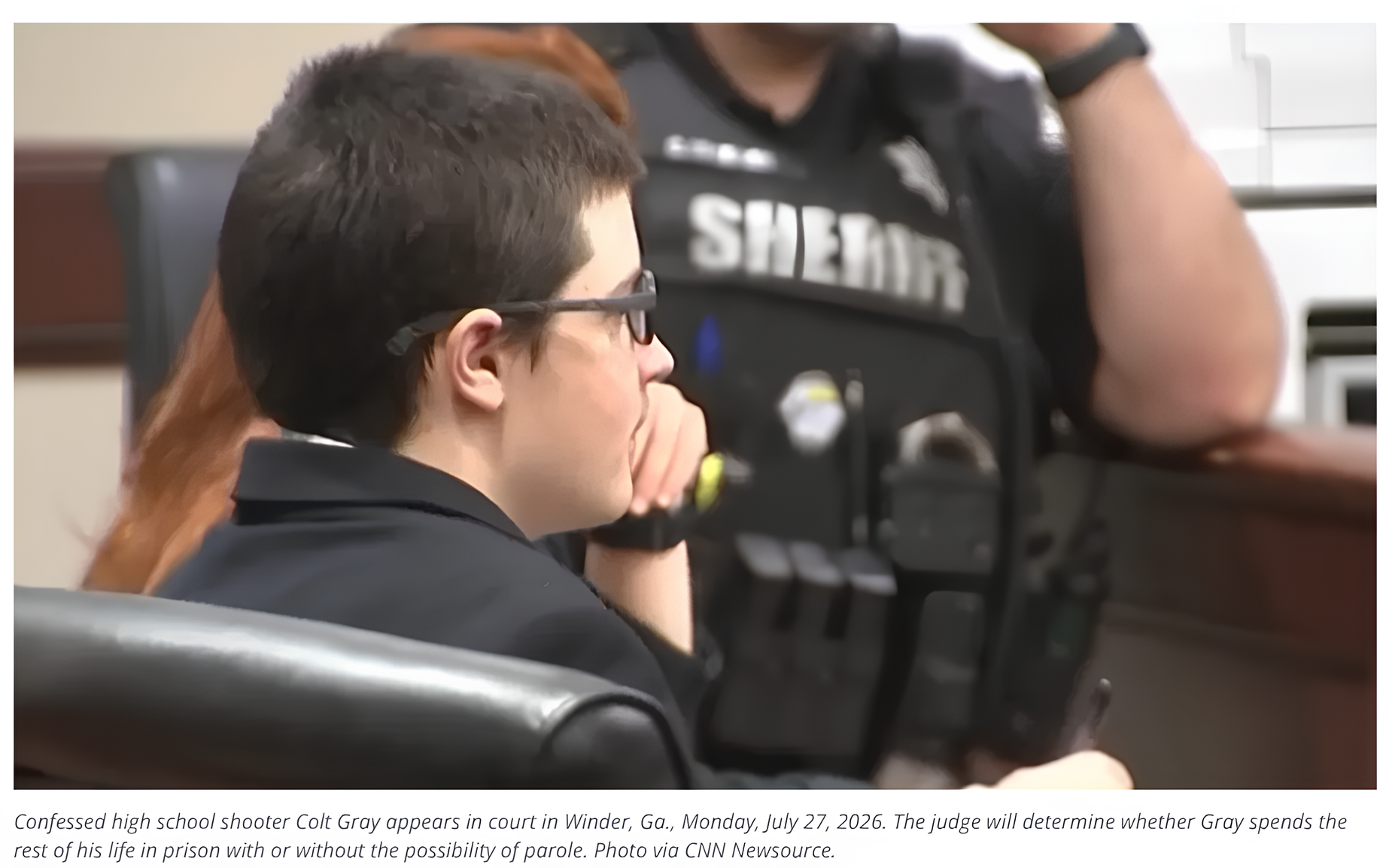
This week, the teenager responsible for the 2024 shooting at Apalachee High School in Georgia was sentenced to life in prison without the possibility of parole after pleading guilty to killing two students and two teachers and injuring nine others. During sentencing, the court heard testimony about warning signs, mental health struggles, a chaotic upbringing, and an obsession with previous mass shootings. Ultimately, the judge concluded that accountability for the horrific acts required the maximum sentence. For the victims’ families, however, no sentence can restore what was taken.
As someone who has spent years working in emergency services and now teaching future healthcare professionals, I see these cases through a different lens. Courtrooms determine justice after a tragedy. Preparedness seeks to prevent the tragedy from occurring in the first place.
One of the most sobering aspects of this case is that investigators described numerous warning signs that preceded the attack, including troubling online behavior, fascination with previous school shootings, and behavioral concerns. While no single indicator predicts violence, patterns of concerning behavior should never be dismissed simply because they seem isolated or insignificant.
True preparedness extends far beyond active shooter drills. It includes threat assessment, behavioral intervention teams, trusted reporting systems, mental health support, family engagement, communication protocols, and coordinated partnerships among schools, law enforcement, public health, and community organizations. These are not competing priorities—they are complementary layers of prevention.
Every incident offers lessons, even when those lessons emerge from heartbreaking circumstances. Organizations should continually ask themselves:
  • Are staff trained to recognize and report concerning behaviors?
  • Do students know how to report threats safely?
  • Are multidisciplinary teams reviewing warning signs before they escalate?
  • Have emergency plans evolved beyond compliance to true readiness?
Preparedness is not about living in fear. It is about building resilient organizations that recognize risks early, communicate effectively, and respond with confidence when lives are at stake. Join Incident Management Summit s://www.incidentmanagementsummit.org/
Look Ahead!
The most meaningful safety improvements are often made long before anyone realizes they were needed.
Reference
Associated Press: Teen gets life without parole for killing four at Georgia’s Apalachee High School
Reuters: Life in prison without parole for Georgia teen who killed four in 2024 school shooting
Project. Prepare. Prevent.
Emergencies don’t wait—and neither should preparedness.
Join public safety, education, behavioral health, and organizational leaders at the Incident Management SummitOctober 5–6, 2026, in Indian Wells, California, for two days of practical strategies, hands-on learning, and collaboration designed to build safer, more resilient organizations. Learn more and register at https://www.incidentmanagementsummit.org/

The Emergency You Never Expect: Protecting Hearts in Our Schools, Churches, and Workplaces

SimonSez Weekly

Recent news surrounding the passing of U.S. Senator Lindsey Graham serves as another reminder that serious cardiovascular emergencies can occur suddenly and often without warning. While we frequently prepare for fires, earthquakes, severe weather, and acts of violence, one of the most likely life-threatening emergencies in any organization may come from something far less dramatic—a sudden cardiac event.

This topic is deeply personal for me.

My cousin David, a former firefighter-paramedic and educator, spent years courageously battling cardiac amyloidosis before ultimately losing his life to the disease. Despite his medical knowledge and commitment to serving others, he could not overcome a condition that often progresses quietly and without obvious warning signs. His journey reminded me that heart disease and other cardiovascular conditions do not discriminate.

I also remember one of our school bus drivers who safely transported a full busload of students to campus one morning. Shortly after arriving, she suffered a sudden cardiac event behind the wheel, causing her bus to crash. Although the students were safe, she did not survive. It was a heartbreaking reminder that emergencies rarely happen when we expect them—and they are not limited to students.

Schools naturally focus on protecting children, but every day they are also home to teachers, administrators, custodians, bus drivers, coaches, volunteers, parents, and visitors. The same is true for churches, businesses, and community organizations. Cardiac emergencies remain one of the most likely life-threatening medical incidents these organizations will encounter.

While some risk factors—such as age, genetics, and certain medical conditions—cannot be changed, many others can. High blood pressure, elevated cholesterol, diabetes, tobacco use, obesity, physical inactivity, poor nutrition, chronic stress, and inadequate sleep all increase the risk of cardiovascular disease. Regular medical checkups, knowing your family history, maintaining a healthy weight, staying active, and eating a heart-healthy diet remain among the most effective ways to reduce that risk.

Preparation, however, extends beyond prevention.

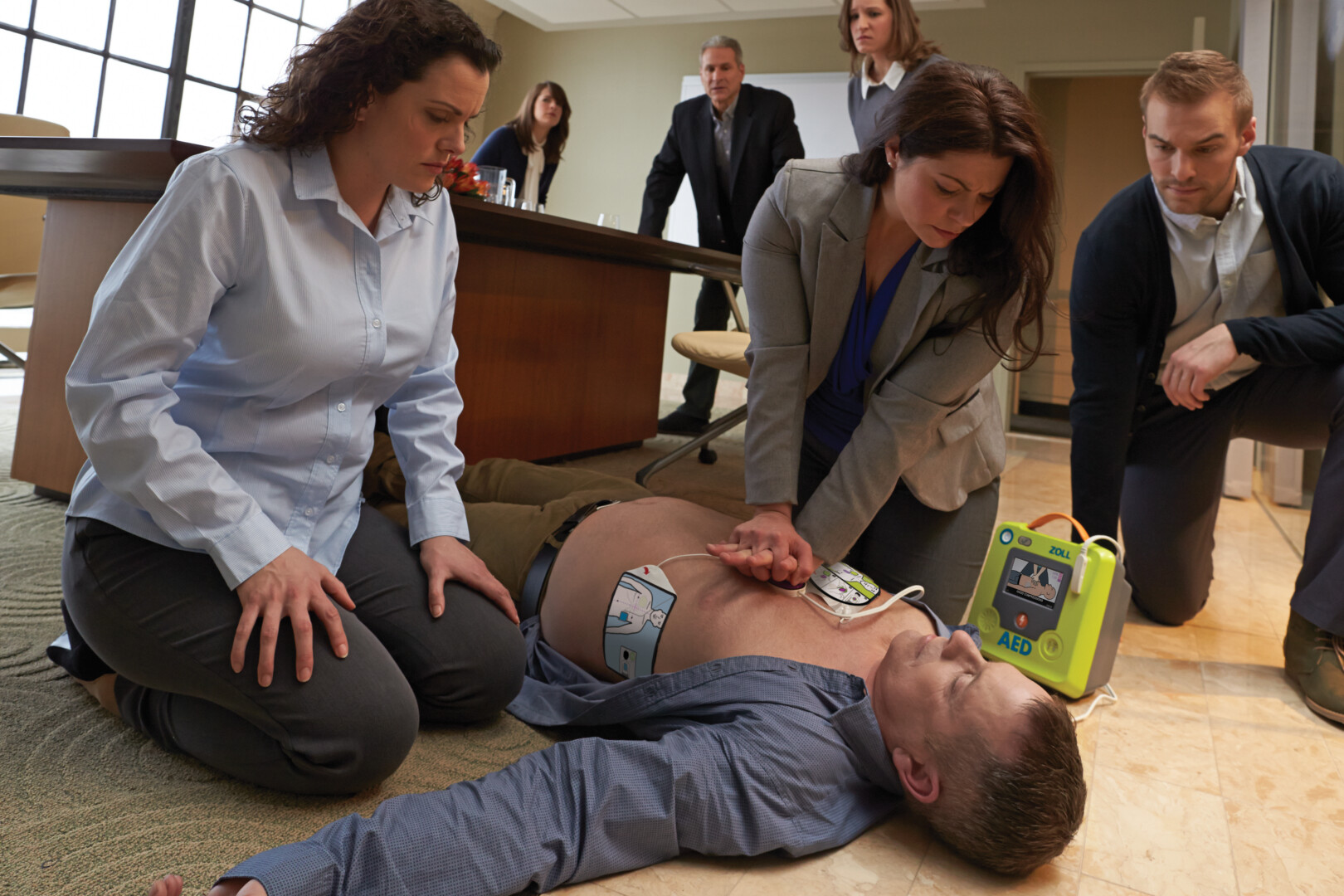
Research presented to the American Heart Association found that workplaces consistently achieve significantly higher survival rates following out-of-hospital cardiac arrest because employees are more likely to begin CPR immediately and use an Automated External Defibrillator (AED) before emergency responders arrive. Those early actions save lives.

Every organization should ask itself five simple questions:

Do we know where every AED is located?
Are employees and volunteers trained in CPR?
Do we regularly practice medical emergency response procedures?
Can emergency responders quickly locate and access our facility?
Are we promoting a culture of health and wellness—not just emergency response?
The best emergency response begins long before an emergency occurs. It starts with healthy choices, awareness, training, and the willingness to prepare before lives depend on it.

As communities, schools, churches, and workplaces continue strengthening their emergency preparedness efforts, cardiac health deserves a place alongside every other emergency plan. After all, the emergency you never expect is often the one that tests your preparedness the most.

SimonSez

Preparedness isn’t just about responding to emergencies—it’s about creating environments where emergencies are less likely to become tragedies. Learn CPR. Know where your nearest AED is located. Encourage healthy living. One day, those simple actions could save the life of someone you love—or your own.

Always Look Ahead!

Simon P. Moore, MEd, MHA, EMT

References
American Heart Association. (2026). Abstract WE578: Early Bystander Resuscitation in the Workplace: Insights and Implications. Circulation, 153(Suppl. 1). https://doi.org/10.1161/CIR.153.suppl_1.WE578

CNBC. (2025, May 21). Heart attacks at work highlight the importance of cardiac emergency training. https://www.cnbc.com/2025/05/21/heart-attacks-work-fatal-medical-risk-cardiac-emergency-training.html
NBC News. (2026). Sen. Lindsey Graham dies at 71 after brief, sudden illness. https://www.nbcnews.com/politics/politics-news/sen-lindsey-graham-dies-71-brief-sudden-illness-rcna552722

When Seconds Change Everything

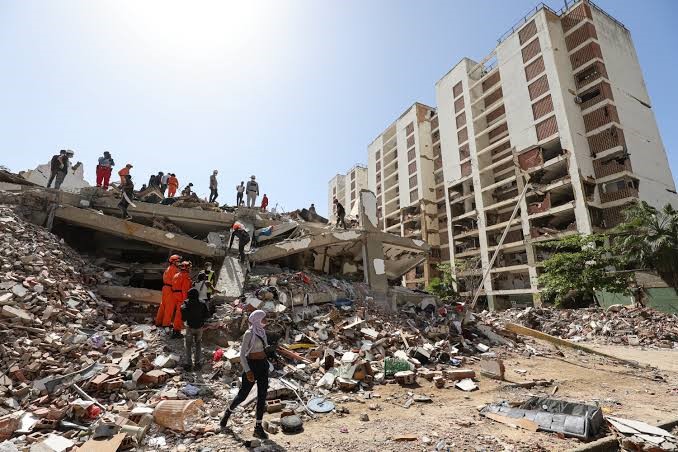
The devastating twin earthquakes that struck northern Venezuela on June 24 are a sobering reminder that disasters often arrive without warning. A magnitude 7.2 earthquake was followed just 39 seconds later by a magnitude 7.5 event, causing widespread destruction across parts of the country. Thousands of buildings were damaged or destroyed, search-and-rescue operations continued for days, and communities were left facing the long road to recovery.

While emergency officials assess damage and provide guidance, there are practical steps everyone can take following an earthquake. Check yourself and those around you for injuries, be prepared for aftershocks, avoid damaged buildings until they have been inspected, monitor official emergency communications, and keep emergency supplies—including water, medications, flashlights, and a battery-powered radio—readily available. If you smell gas or observe damaged utility lines, leave the area and notify authorities as soon as it is safe to do so.

Having spent many years in emergency services and now working with schools and community organizations, I’m reminded that preparedness begins long before the ground starts shaking. Emergency plans, communication procedures, and regular practice help reduce confusion and allow people to make informed decisions during those critical first moments.

Every disaster provides valuable lessons. Whether we’re responsible for a family, a school, a church, or a business, taking time to prepare today can make a meaningful difference when tomorrow’s emergency arrives.

Reference: Reuters – Two powerful earthquakes strike Venezuela (June 24, 2026): https://www.reuters.com/world/americas/earthquakes-shake-venezuela-capital-2026-06-24/

When a Fire Lasts More Than a Week

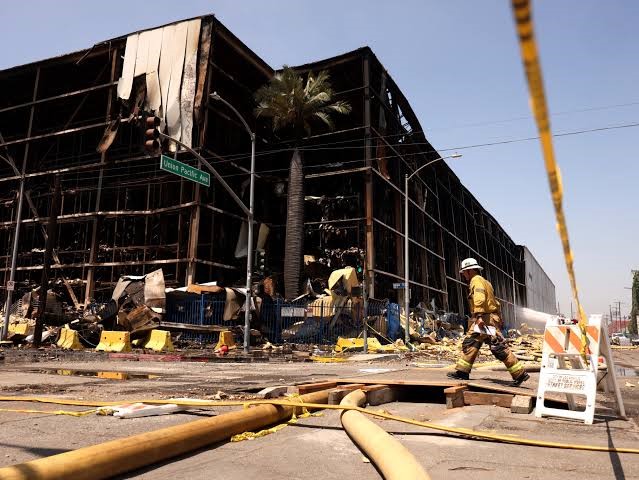
The recent warehouse fire in Boyle Heights reminds us that not every emergency follows the timeline we expect. What began as a warehouse fire became a week-long incident that challenged firefighters, affected air quality across surrounding communities, disrupted businesses, and left residents dealing with the lingering impacts long after the flames were under control. The combination of heavy insulation, structural collapse, rooftop solar panels, and millions of pounds of stored food turned what many assumed would be a routine industrial fire into a complex incident requiring sustained coordination among multiple agencies.

While emergency officials assess the situation and issue public guidance, there are several practical steps we can take.

  • Stay informed through official public safety agencies
  • Avoid entering restricted areas, limit outdoor activity if smoke or poor air quality is present
  • Keep windows and doors closed when advised, and be prepared to adjust plans if evacuation or shelter-in-place instructions are issued
  • Having a family and community communication plan, essential medications, and emergency supplies readily available can also make an unexpected event much less stressful

Preparedness isn’t just about the first few minutes of an emergency. It’s about understanding that some incidents evolve over days—or even weeks—and require flexibility, communication, resource management, and collaboration long after the initial response.

That’s one of the reasons conversations about incident management matter. Every event offers lessons that can strengthen how schools, businesses, churches, and community organizations think about preparedness before the next emergency arrives. Most important takeaway, you are on you own until help arrives. What do you do until then?

Reference: ABC7 Los Angeles – Massive cleanup begins after Boyle Heights warehouse fire officially knocked downhttps://abc7.com/live-updates/massive-fire-burning-boyle-heights-east-los-angeles-shelter-place-ordered-area/19318518/

Data Centers in the Coachella Valley: Protecting Community Health in a Digital Age

By Simon P. Moore
This is the age of technology and innovation. Most of what people accomplish is assisted by Artificial Intelligence, affectionately known as AI. AI, cloud computing, and digital technologies rely on data centers to power our increasingly connected world. While these facilities provide economic opportunities and technological advancement, emerging evidence suggests that communities hosting large-scale data centers may also face environmental and public health concerns. Communities such as those in California’s Coachella Valley have begun asking an important question: What are the health implications of rapid data center expansion, and how can residents protect themselves?

Community Health Issue

Community health needs assessments (CHNAs) are designed to identify issues that affect the health and well-being of residents. In communities experiencing rapid infrastructure development, environmental exposures associated with data centers represent an emerging public health priority.

Potential concerns include increased air pollution from backup generators, substantial water consumption, noise pollution, increased energy demands, and environmental justice considerations. Recent studies have called for additional research to better understand these relationships and their implications for vulnerable populations (Tao & Gao, 2025). Though not of a health concerning nature, the construction of data centers in lower income communities is a glaring issue few are willing to admit.

Research Questions
In order to effectively address the efficacy of adding a data center to a community–specifically in Coachella, California, a thorough research study would be in order. This article proposes the format of a prospective study that should be performed prior to any serious discussion of constructing a data center in Coachella or any city in the United States. The following research questions would guide this community health initiative:

● How do residents perceive the potential health impacts associated with data center development?
● What environmental factors associated with data centers may influence community health?
● Which populations may be disproportionately affected by these developments?
● What evidence-based strategies can communities implement to reduce potential health risks?

Background
The expansion of data centers has accelerated worldwide, driven largely by advances in artificial intelligence and cloud-based technologies. Although these facilities are often viewed as symbols of economic progress, researchers have begun highlighting the need to examine unintended health consequences.

Tao and Gao (2025) described the rapid expansion of data centers as a pressing issue requiring empirical public health investigation. Similarly, Gour et al. (2026) identified concerns related to emissions, resource utilization, and community vulnerability in areas experiencing substantial data center growth.

Communities such as those in California’s inland regions may be uniquely positioned at the intersection of economic development and environmental health decision-making.

Research Methodology
A mixed-methods approach is proposed selected to examine this issue.

Quantitative Methods
Community surveys would be proposed to assess resident awareness, perceived risks, and attitudes regarding data center development.

Qualitative Methods
Semi-structured interviews with residents, public health professionals, community advocates, and local stakeholders would indicate strategies to better understand community experiences and concerns.

Environmental Review
Available environmental reports and emerging scientific literature would need to be examined to identify documented health implications associated with data center operations. Additionally, which environments would be the most and least preferred.

Research Design
The initiative would utilize an exploratory community health framework designed to:
● Identify potential environmental exposures;
● Assess community perceptions and knowledge;
● Examine equity considerations; and
● Inform evidence-based recommendations for prevention and advocacy.

Because research regarding data centers and health remains relatively limited, an exploratory design would be appropriate for generating practical community insights and guiding future investigations.
Setting and Demographics

Community Boundaries
The focus of this initiative would be the Coachella Valley region of eastern Riverside County, California.

Affected Populations
Several populations may experience heightened vulnerability:
● Older adults;
● Children and adolescents;
● Individuals with respiratory conditions;
● Low-income households;
● Communities with limited access to healthcare resources; and
● Residents living in close proximity to proposed or existing data center developments.
Ensuring that these voices are represented in decision-making processes is essential for equitable public health practice.

Objectivity and Bias
Ethical public health research requires transparency, fairness, and respect for community perspectives. Several strategies would need to be incorporated to promote objectivity:
● Inclusion of diverse stakeholder viewpoints;
● Use of peer-reviewed evidence;
● Separation of researcher assumptions from participant experiences;
● Transparent reporting of findings; and
● Commitment to prioritizing community well-being over economic or political interests.
Ethical principles emphasizing safety, dignity, and community trust guided the overall approach (Graham et al., 2022).

Data Collection
Data collection would be included from multiple sources:
● Community surveys;
● Stakeholder interviews;
● Environmental literature reviews;
● Publicly available reports; and
● Emerging evidence regarding health outcomes associated with data center expansion.
Using multiple forms of evidence would strengthen the credibility of the initiative and allow findings to be examined from several perspectives–not just proponents of the project.

Data Evaluation: Does the Evidence Align?

Five important attributes of data alignment support this community health initiative.
1. Relevance
The selected data directly addressed environmental exposures and health concerns associated with data centers.
Evidence: Researchers have emphasized the urgent need to understand how data center expansion affects human health (Tao & Gao, 2025).
2. Timeliness
Most sources were published within the previous two years, reflecting the rapidly evolving nature of this issue.
Evidence: Recent assessments have identified growing concerns regarding emissions and health risks associated with AI-driven infrastructure growth (Harvard T.H. Chan School of Public Health, 2026).
3. Accuracy
Data were derived primarily from peer-reviewed publications and established public health organizations.
Evidence: Exploratory investigations have documented potential pathways linking data center activities with health outcomes (Gour et al., 2026).
4. Population Fit
The initiative focuses specifically on communities potentially experiencing direct exposure to environmental changes associated with data centers.
Evidence: Environmental justice considerations have emerged as an important component of data center research (Waldman, 2026).
5. Actionability

The information collected should be capable of informing community decision-making and prevention efforts.
Evidence: Protection Motivation Theory suggests that individuals are more likely to adopt protective behaviors when they perceive meaningful threats and believe effective responses are available (Balla & Hagger, 2024).

What Can Communities Do?
Community members do not need to choose between technological progress and public health protection. Instead, they can advocate for responsible development.
Residents can:
● Attend local planning meetings;
● Request environmental impact transparency;
● Support independent health assessments;
● Advocate for equitable distribution of resources and protections; and
● Participate in community-based data collection initiatives.

Moving Forward: A Community Health Action Plan
Based on the available evidence, several priorities emerge:

Increase Public Awareness
Develop educational campaigns explaining both the benefits and potential health implications associated with data centers.

Strengthen Environmental Monitoring
Encourage ongoing monitoring of air quality, noise levels, and resource utilization in affected communities.

Promote Community Engagement
Ensure residents have meaningful opportunities to participate in planning decisions.

Prioritize Vulnerable Populations
Incorporate health equity considerations into all policy discussions involving future developments.

Support Continued Research
Advocate for additional empirical investigations examining long-term health outcomes associated with data center expansion.

Takeaways
Data centers represent an important component of our technological future. However, innovation should not occur at the expense of community health within already underserved communities. By aligning meaningful data with community priorities, residents, healthcare professionals, educators, and policymakers can work collaboratively to promote informed decision-making.
Protecting public health requires more than reacting to emerging concerns—it requires anticipating them. Communities such as the Coachella Valley have an opportunity to lead the conversation about how technology and health can advance together.
Simon Peter Moore, M.Ed., MHA, EMT is a doctoral candidate with American college of Education and has worked in Emergency Medical Services (EMS) for over 19 years, and in the secondary educational setting for 20 years.
References
Balla, J., & Hagger, M. S. (2024). Protection motivation theory and health behaviour: Conceptual review, discussion of limitations, and recommendations for best practice and future research. Health Psychology Review, 19(1), 1–27. https://doi.org/10.1080/17437199.2024.2413011
Gour, N., Ortiz, L., & Maibach, E. (2026). Health implications of the rapid rise of data centers in Virginia: An exploratory assessment. Frontiers in Climate, 8. https://doi.org/10.3389/fclim.2026.1648912
Graham, A., Canosa, A., Boyle, T., Moore, T., Taylor, N., Anderson, D., & Robinson, S. (2022). Promoting students’ safety and wellbeing: Ethical practice in schools. The Australian Educational Researcher, 50(5). https://doi.org/10.1007/s13384-022-00567-8
Harvard T.H. Chan School of Public Health. (2026, April 8). Analyzing air pollution health, economic risks from AI data centers. https://hsph.harvard.edu/news/analyzing-air-pollution-health-economic-risks-from-ai-data-centers/
Tao, Y., & Gao, P. (2025). Global data center expansion and human health: A call for empirical research. Eco-Environment & Health, 4(3), 100157.
Waldman, O. (2026, March 5). How to stop a data center near you. Food & Water Watch. https://www.foodandwaterwatch.org/2026/03/05/how-to-stop-a-data-center-near-you/

Simon Peter Moore, M.Ed., MHA, EMT is a doctoral candidate with American college of Education and has worked in Emergency Medical Services (EMS) for over 19 years, and in the secondary educational setting for 20 years.
California’s Fault Lines: Preparedness Over Predictions

California has always lived with earthquakes, but new research suggests that portions of the state’s fault system may currently be experiencing stress levels not seen in the last 1,000 years. Scientists studying the San Andreas and San Jacinto fault systems found that tectonic stress has accumulated to historically high levels, particularly in Southern California. While this does not mean a major earthquake is imminent, it does reinforce an important truth: preparedness cannot wait until the ground starts shaking.

Being ready is not about fear—it’s about preparedness. Schools, workplaces, faith-based organizations, and community groups should review emergency operations plans, conduct realistic drills, identify evacuation and reunification procedures, and ensure staff understand their roles during a crisis. The time to build capability is before the emergency, NOT during it.

When everyone is in need, the only help is you and those you are with. Secure heavy furniture, maintain an emergency supply kit, establish communication plans, and practice the familiar guidance of Drop, Cover, and Hold On. A prepared community is a resilient community.

California’s fault lines may be under increased stress, but our response does not need to be one of panic. Instead, let it serve as a reminder that preparedness is a shared responsibility. The next earthquake may not be predictable, but our commitment to readiness can be.

Project. Prepare. Prevent.

Read the original EarthSky article here: California faults under record stress, study finds

San Diego Mosque Shooting

Excellent choice. The NPR angle is actually stronger for IMS because it focuses on the actions of the victims and the protective measures that saved lives rather than the attackers themselves.

Heroes Among Us: Lessons from the San Diego Mosque Shooting

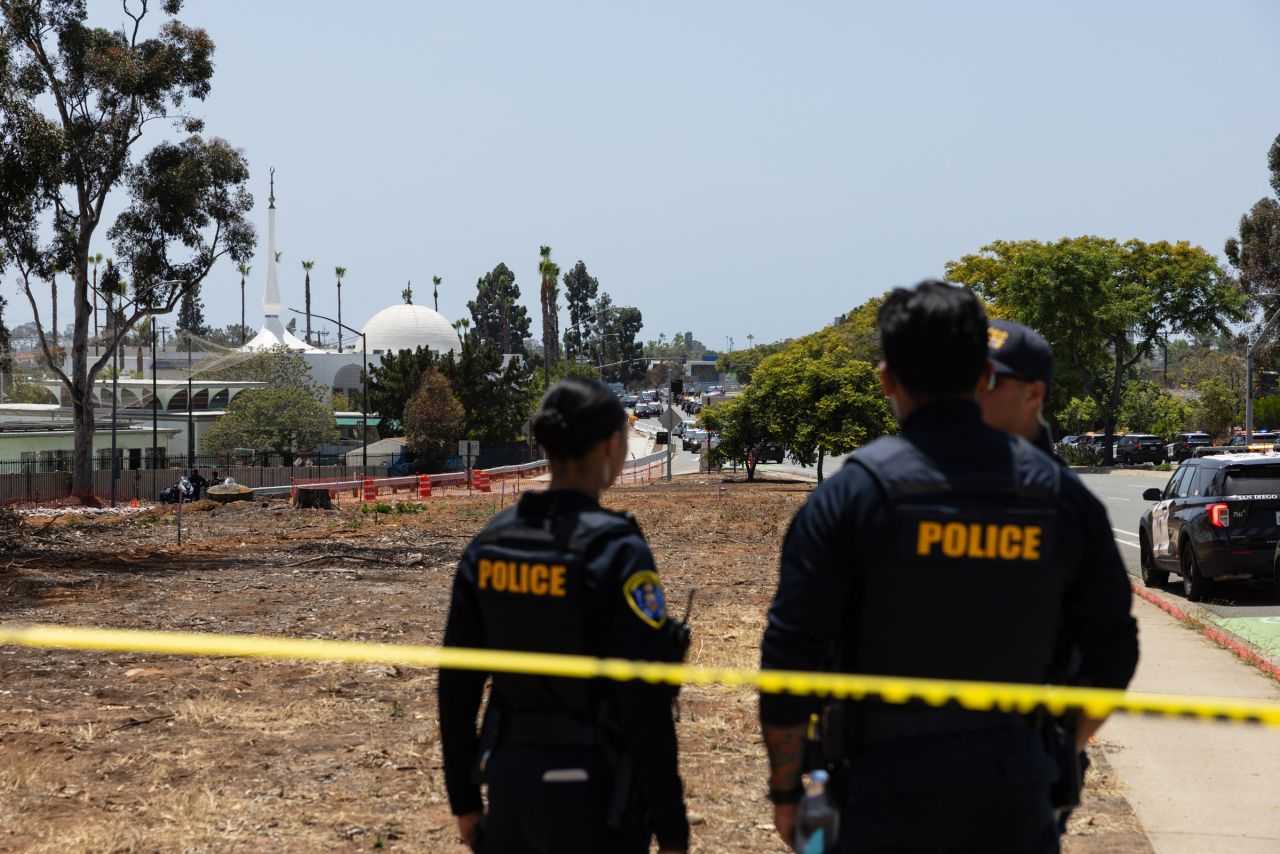
The May 18, 2026, shooting at the Islamic Center of San Diego was a heartbreaking reminder that violence can impact any community, anywhere. Yet amid the tragedy, the actions of three ordinary individuals demonstrated the extraordinary impact that preparedness, courage, and selflessness can have during a crisis.

According to NPR, victims Amin Abdullah, Nadir Awad, and Mansour Kaziha are being remembered not simply as victims, but as heroes. When two armed attackers entered the Islamic Center, all three men acted to protect others, particularly the approximately 140 children who were present on campus. Their actions delayed the attackers, allowing lockdown procedures to be implemented and countless lives to be protected. (NCPR)

For emergency managers, school leaders, faith-based organizations, and workplace safety professionals, this incident reinforces several important principles.

First, preparedness matters. Reports indicate that lockdown procedures were quickly initiated, preventing the attackers from reaching additional victims. Emergency plans are only effective if personnel understand their roles and are prepared to act under stress. (The Guardian)

Second, everyday people become first responders. We call them “pre-first responders.” Before law enforcement arrived, community members made critical decisions that influenced the outcome of the event. The reality is that during the first moments of a crisis, those already on scene are the true first line of defense.

Third, prevention and vigilance remain essential. Organizations should encourage reporting of concerning behaviors, strengthen security assessments, and maintain relationships with local public safety agencies. While no plan can eliminate every threat, preparation can significantly reduce the consequences.

During our Incident Management Summits, we discuss the concept that emergency management is not solely about response—it is about preparation, prevention, and resilience. The events in San Diego remind us that effective preparedness is measured not only by plans and procedures but by the people willing to put those plans into action when it matters most.

The greatest tribute we can offer the heroes of San Diego is to ensure our own organizations are prepared before the next emergency occurs.

Read the NPR story: The San Diego mosque shooting victims remembered as heroes for protecting children

Do Restraints and Seclusion Help Special Education Students?

In a recent Education Week investigation, federal authorities found that a Missouri district’s use of seclusion and physical restraints was not only excessive but also unlawful—violating federal disability rights protections by using these practices as routine responses rather than last-resort safety measures. So why would someone think it would be okay to restrain a child?

Over a two-year period, more than 300 students were secluded nearly 4,000 times, and about 150 students were restrained 777 times, often for behaviors that did not pose imminent harm. The U.S. Department of Justice described this pattern as “shocking overuse,” stressing that restraint and seclusion carry risks to students’ physical and mental well-being and are not effective tools for long-term behavior change.

What really stands out in the reporting is how frequently these interventions were used for routine classroom noncompliance—not crises. In some cases, students were secluded for actions as minor as knocking over a teacher’s coffee or refusing a class, which raises serious questions about policy, training, and trauma-informed practice in special education settings.

This story isn’t just about one district. It reflects broader, ongoing concerns about how seclusion and restraint are misapplied across the country—and why many experts and advocates argue we need clear limits, strong oversight, and better alternatives that prioritize safety, dignity, and learning for all students. How do you manage noncompliance?

-SPM 🔗 Read full article HERE

130 Sent Home Sick After Norovirus Outbreak in Massachusetts

At least 130 students and staff in the Medford, MA school community have fallen ill with symptoms consistent with norovirus — a highly contagious stomach virus notorious for spreading quickly in shared indoor spaces. Classrooms, cafeterias, and common areas now face intensified cleaning protocols, revealing just how easily daily operations can be disrupted when infection control workflows aren’t front of mind.

-SPM

👉 Full story here: NBC Boston — Medford Norovirus Outbreak

Weather Cancels Class, But Not Learning

When extreme weather hits, the learning loss isn’t just the days students miss—it’s the ripple effect that follows them back into the classroom. In this Education Week piece, Sarah D. Sparks explains how disasters like fires and storms can intensify existing academic gaps, and why recovery takes more than simply reopening school doors. The takeaway is clear: smart, proactive planning can shorten the disruption and help students bounce back faster.

*see full Education Week article HERE

Secret Link